
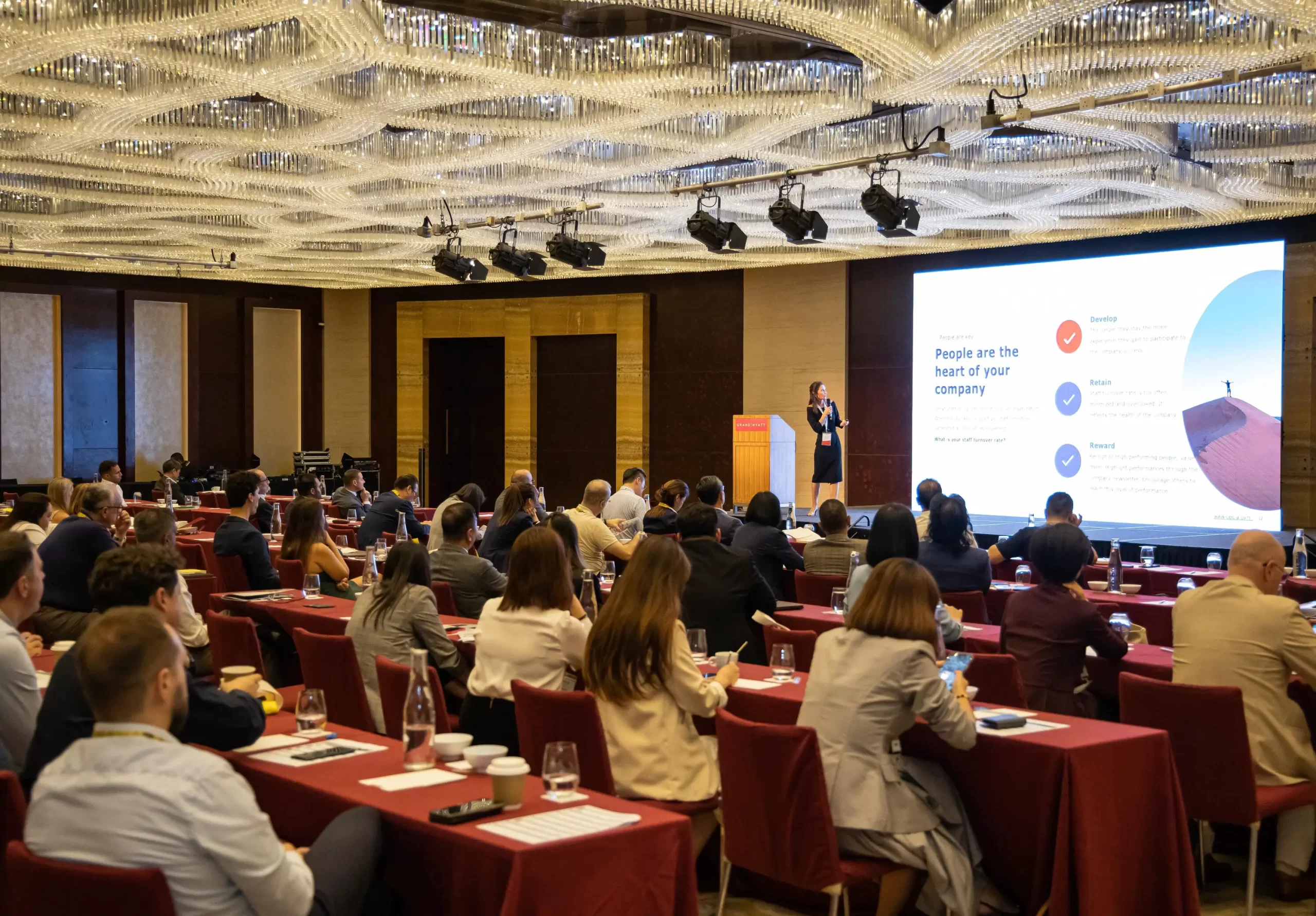
The effect of Workplace Stress on Operational Risk: What is the role of the HR department?
Organisations often treat workplace stress as an individual health problem or a human resources checkbox. Employees are expected to absorb systemic corporate pressures, maintain peak productivity, and handle complex environments without letting stress impact their output. This dynamic occurs across all sectors: professional services, logistics, technology, healthcare, aviation, finance, and operational teams spanning Asia, Europe, and global markets.
Data shows that occupational stress has reached severe levels, threatening both human performance and organisational stability. According to Gallup’s State of the Global Workplace report, 44% of employees experience a lot of daily stress, a metric that has remained near record highs globally. Furthermore, a comprehensive study by the World Health Organization (WHO) estimates that anxiety and depression in the workplace cost the global economy $1 trillion per year primarily in lost productivity.
Operational fallout in the corporate ecosystem often comes from disregarded chronic stress leads to significant. Stress causes cognitive fatigue, high employee turnover, increased safety incidents, delayed timelines, and severe operational disruption.
For example, a project director or supply chain leader in Hong Kong may need to balance shifting regulatory rules, international logistics delays, cost concerns, and internal performance metrics all at once. Currently, the good news is that workplace stress ceases to be a simple personal wellness problem as it causes severe negative outcomes in a high-stake environment. The effects of stress in operational risk directly reduces a team's capacity to execute tasks safely and efficiently.
What is the origin of the biological and psychological High-Stress in the Work Environment?
In some situations, corporate systems are facing unmanaged pressure, stressed employees naturally adopt a survival mechanism which leads to less performance. Understanding these stress-behaviours requires looking at how human biology interacts in the workplace.
How is Analytical Thinking impacted by stress?
The human brain is able to handle short-term stressors, however, in the case of chronic workplace stress it reduces the capacity of the brain. Because of perpetual urgency, the prefrontal cortex suffers from cognitive depletion.
According to the American Psychological Association (APA), prolonged work stress can degrade working memory and emotional regulation. Teams under chronic stress have difficulty to analyse analytically, degrading a worker’s ability to execute their responsibilities.
What happens when the Cognitive Bias is amplified?
In high stress situations, individuals tend to act immediately and don’t take the time to organize themselves. High stress and cognitive biases can escalate to workplace risks:
- Tunnel Vision: When employees only focus on immediate tasks and ignore bigger system failures.
- Risk Aversion or Recklessness: Teams that are exhausted are often much more scared of mistakes and tend to bypass complex processes.
- Siloed Communication: Under stress, individuals stop collaborating together which creates information gaps.
Excessive goals of Productivity
Many companies think that constant availability creates high performance. In reality, expecting teams to be reactive all the time creates a false efficiency. Disproportionate goals forces workers into a defensive and reactive posture.
Why are stressful situations creating a compliance gap?
Many organizations want to solve the problem of workplace stress by offering superficial wellness benefits like meditation apps, yoga sessions, or mental health awareness days. These anti stress resources fail to fix the core causes of chronic stress.
In fact, there is a confusion between what a company’s wellness policy promises and the actual day-to-day pressures employees experience. Sometimes companies only focus on what’s written on the paper that offers wellness instead of actually caring about the employees wellbeing. This is because they don’t realize how reducing stress in the workplace improves the company's outcomes in the long term.
For example, a company’s policy can emphasize "work-life balance," restricting e-mails during the weekends. If the basic structure of the team is under-staffed and performance goals are not achievable, workers will ignore the wellness program to meet their demands.
The organisation comes across as supportive on the surface, but remains susceptible to stress and operational deficiencies.
A More Effective Way to Manage Corporate Stress is to Establish a Presilience® Culture
Presilience® Culture for Managing Corporate Stress is much better than resorting to reactive well-being measures. Companies must adopt a way of working that ensures their teams are equipped ahead of time to deal with stress.
Presilience® is an advanced approach based on a comprehensive framework that includes risk management, resilience in the workplace, leadership, and human performance. It transforms the mindset of an organization from responding to burnout to predicting pressures, adjusting workloads, and supporting sustainable human performance amid stress.
As the Presilience® Partner company in Hong Kong, Ceicia assists organisations in Asia and Europe to cultivate a resilient working environment via various training programs, consultancy services, and workforce certification.
Protect Your Workforce Performance with Ceicia
Mitigating workplace stress requires moving past superficial, box-checking wellness programs. By building proactive resilience directly into your organizational culture, you protect your teams from burnout, minimise operational risks, and sustain high performance.
Ceicia helps organisations deploy advanced human performance strategies, manage workplace stressors, and construct resilient operational cultures. Explore Ceicia’s Risk and Human Performance Consulting Services or learn more about our specialized Presilience® Corporate Leadership Programs.
Cécile Lammer, Ceicia's founder