What Should Corporate Training Programs for Employees Focus On?

What Should Corporate Training Programs for Employees Focus On?
Organisations invest in corporate training programs for employees to build skills, develop leaders, and support business performance. However, deciding what employees need to learn requires more than identifying skill gaps. HR directors and business leaders also need to consider the workplace conditions that influence how people communicate, make decisions, and work together.
For example, employees may understand their responsibilities but receive inconsistent guidance from different managers. Teams may have the necessary technical skills yet struggle to coordinate their work across departments. These situations highlight why training needs to reflect not only the skills employees require, but also the challenges they face in their roles.
Corporate training programs can address these needs by developing relevant skills while considering leadership behaviour, communication, accountability, and the wider organisational context.
What Are Corporate Training Programs for Employees?
Corporate training programs for employees are structured learning initiatives designed to develop the knowledge and skills people need to perform their roles. Their focus may range from professional development to leadership, communication, decision-making, and risk awareness, depending on the organisation's priorities.
The most relevant areas are those connected to employees' responsibilities and the challenges they encounter at work. These may include:
- Leadership communication and accountability for managers and team leaders.
- Risk culture and its influence on everyday business decisions.
- Decision-making when priorities compete, or circumstances change.
- People Risk Management and human factors affecting organisational performance.
- Practical learning linked to workplace responsibilities.
- Team alignment around shared expectations and objectives.
Identifying these priorities provides a clearer basis for planning training. It also helps organisations connect employee development with the way their teams are expected to work.
How Can Corporate Training Programs Support Team Performance?
Developing individual skills is important, but team performance also depends on how people work together. Employees need clear expectations, managers need to communicate consistently, and teams need to understand how their responsibilities connect.
Corporate training programs for employees can support these areas by addressing the skills and behaviours that influence everyday working relationships.
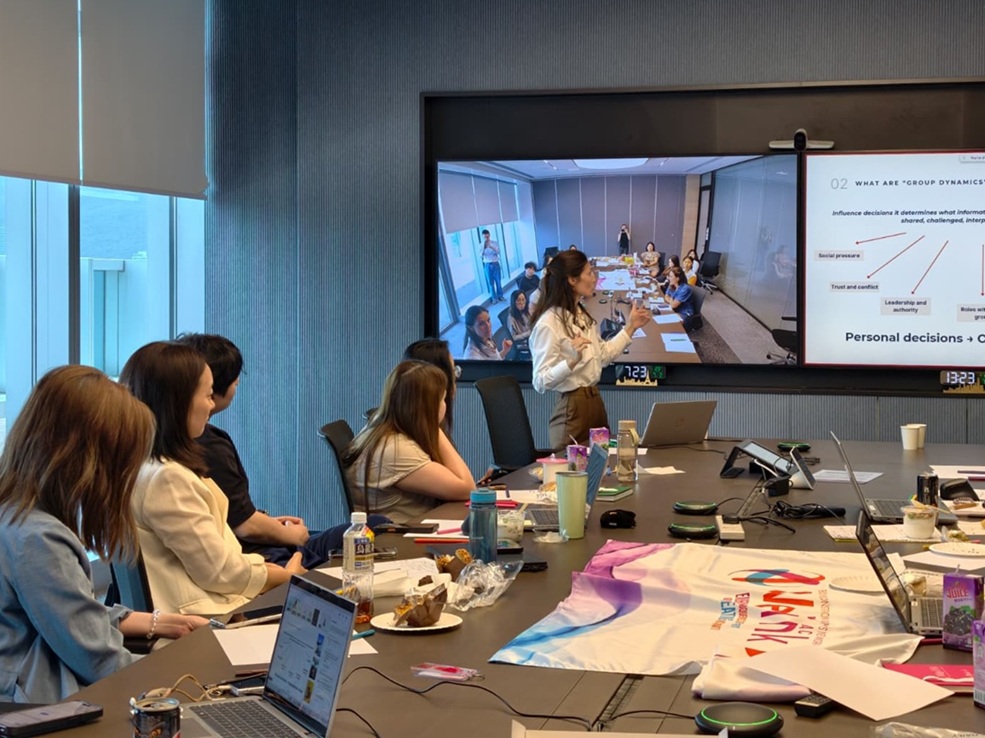
For instance, communication training may help employees address misunderstandings, while leadership development can help managers recognise how their responses influence team behaviour. Where risk-related decisions are a concern, Risk Culture Training can help organisations examine how employees raise concerns and how managers respond.
Depending on the organisation's needs, training may therefore support:
- Clearer communication between employees and managers.
- More consistent expectations across teams.
- Greater clarity around individual responsibilities.
- More informed decisions when business priorities compete.
- Better alignment between team activities and organisational objectives.
These outcomes depend on the relevance of the training and the workplace context in which employees apply what they learn. Understanding that context is therefore an important part of deciding what the programme should address.
What Should Organisations Consider When Planning Corporate Training Programs?
Before selecting a training programme, organisations need to understand which issues require attention. A skills gap may call for professional development, while recurring communication problems may also involve leadership behaviour, unclear responsibilities, or differences in team expectations.
For HR directors and executive teams, this means considering the reasons behind a training need rather than choosing a programme based only on its subject.
Relevant considerations include:
- People Risk Assessment: Examining people-related factors that may affect organisational performance.
- Leadership development: Addressing communication, decision-making, and accountability among managers.
- Risk Culture Training: Considering how workplace behaviours influence risk awareness and management.
- Practical learning: Connecting training content to the responsibilities employees face in their roles.
- Review and evaluation: Assessing whether the programme addresses its intended learning objectives and organisational needs.
Considering these factors helps organisations establish a clearer link between training priorities and the challenges they want to address.
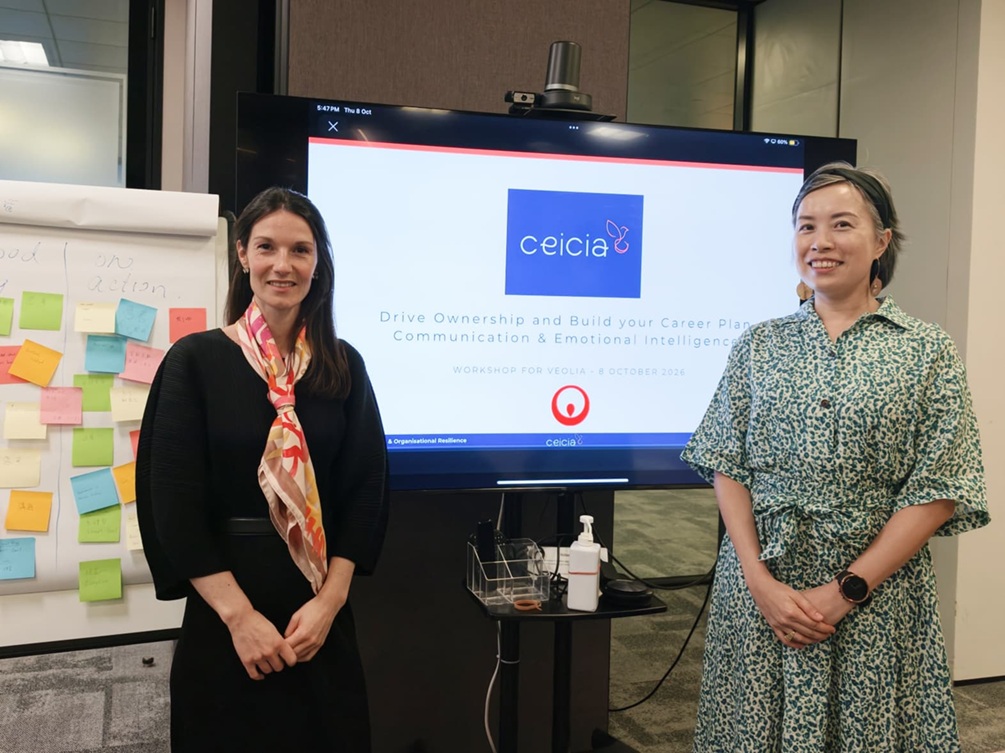
At Ceicia, Cecile Lammer and her team work with HR directors and executive teams across Asia and Europe to develop corporate training programs for employees that reflect organisational performance and risk culture priorities. By considering the people-related factors affecting each organisation, their approach takes account of its specific needs rather than assuming one standard programme will suit every team.
Conclusion
Corporate training is most relevant when it reflects the skills employees need and the conditions in which they are expected to use them. Leadership, communication, accountability, and risk culture can all influence how people work together and contribute to organisational objectives.
If your organisation is reviewing its training priorities, contact Ceicia to discuss the people-related factors that may help shape a programme suited to your business needs.
FAQs
What should corporate training programs for employees focus on?
They should reflect the skills and behaviours employees need in their roles. Depending on organisational priorities, these may include communication, leadership, decision-making, accountability, and risk awareness.
How can corporate training programs support team performance?
They can develop relevant skills and clarify expectations around communication and responsibilities. Leadership development can also help managers understand how their behaviour influences the way teams work together.
Who should participate in corporate training programs for employees?
Participation depends on the programme's objectives. Employees, managers, and senior leaders may need to be involved when the training addresses shared responsibilities, leadership behaviour, or communication across teams.
How can organisations evaluate corporate training programs for employees?
Organisations can assess whether the programme meets its learning objectives and whether employees can apply the relevant knowledge and skills in their roles. Evaluation should reflect the purpose of the training rather than relying solely on completion rates.
How does Ceicia approach corporate training programs for employees?
Ceicia considers the organisation's needs and the people-related factors influencing its performance and risk culture. A People Risk Assessment can help identify relevant areas for attention and inform the focus of the training programme.