Why Do Employees Stay Silent About Risk at Work?
When employees notice a problem and choose not to raise it, that silence comes at a real cost for the organisation. When the leadership finds itself in a position of making decisions without having the full picture, risk arises. What we start to see is unrecorded near-misses increasing risks, disruption and a rise of the gap between what teams see and what leaders know.
This is why, including the factor of psychological safety in risk management helps close this gap, creating workplaces where raising a concern feels normal rather than risky. Professor Amy Edmondson of Harvard found that high-performing teams reported more errors because they felt safe enough to speak up. Gallup reinforces this belief with a study about highly engaged teams, where psychological safety plays a direct role, out perform peers by 23% in profitability and 18% in productivity.
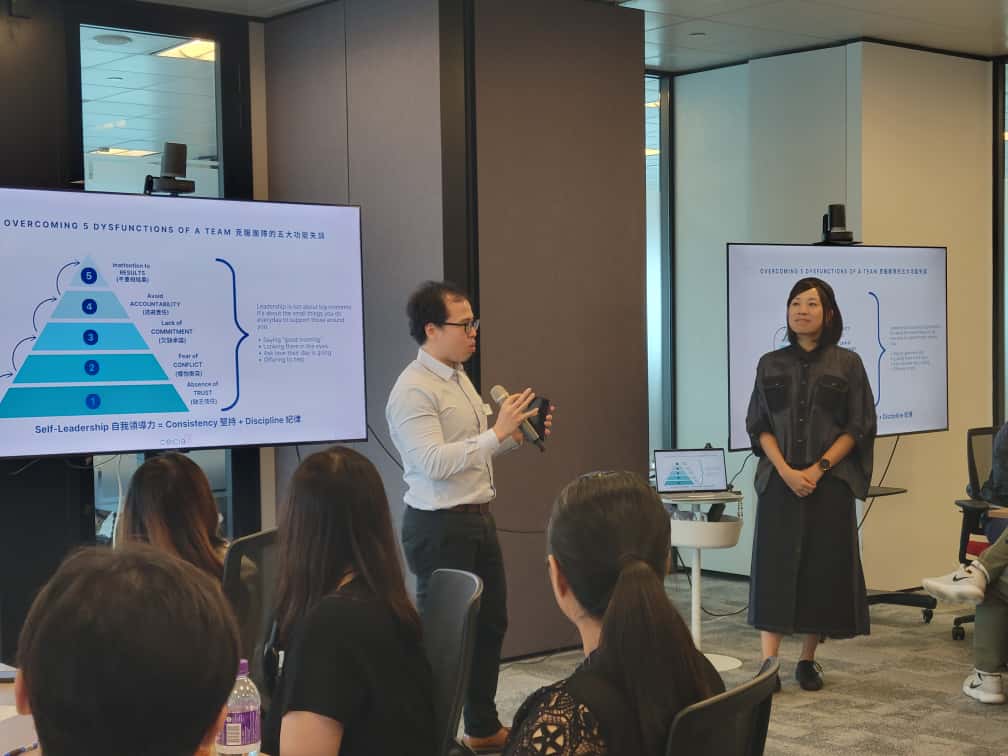
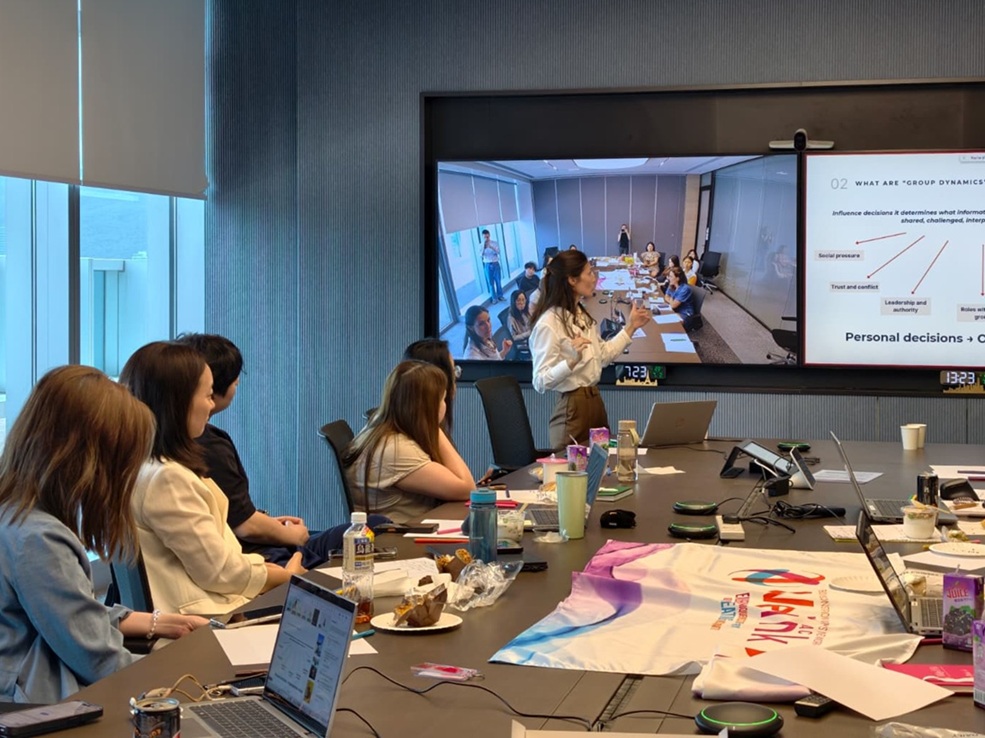
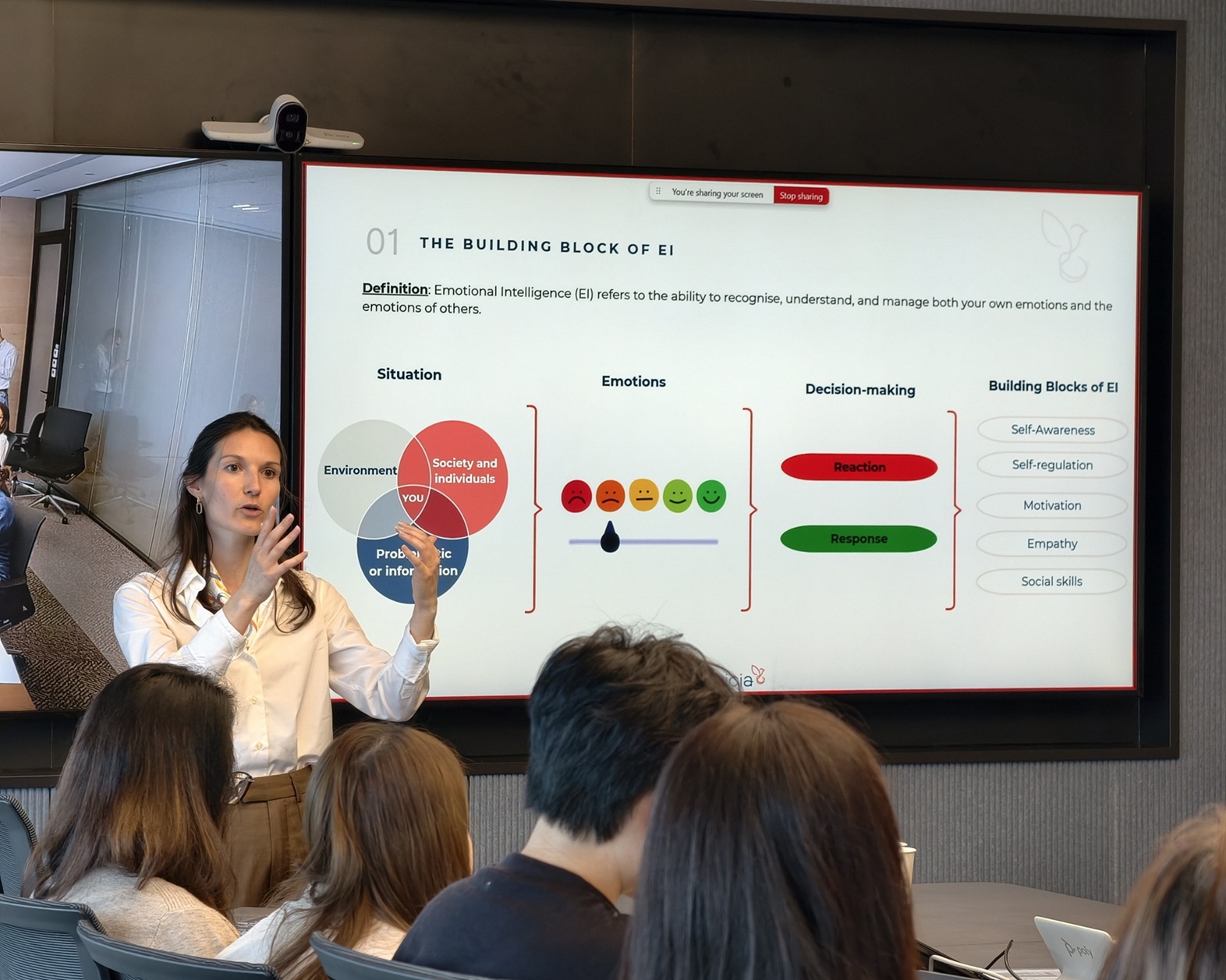
At Ceicia, Cecile Lammer and her team work with senior leadership teams and risk directors across Asia and Europe to raise awareness regarding the role of psychological safety in risk management. The approach highlights with corporate training, how trust creates workplaces where risks are raised early, acted on quickly, and managed with confidence.
What Is Psychological Safety in Risk Management?
Psychological safety in risk management means employees feel confident enough to raise concerns, flag risks, question decisions, and report near-misses without worrying about how their concerns will be received. It is what makes safety in risk management part of day-to-day operations, rather than something that exists only on paper.
In practice, psychological safety and trust can be seen when:
- Leaders who respond to concerns with curiosity, not defensiveness.
- Near-miss reporting that feels normal and is consistently followed up.
- Teams that raise problems early rather than managing them quietly.
- Accountability that feels fair and consistent at every level.
- Managers who invite honest input instead of waiting for formal reports.
- Employees who trust that speaking up will lead to action.
Without this foundation, even the most comprehensive risk framework operates on filtered information, hearing only what people feel safe enough to say.
What Changes When Psychological Safety in Risk Management is adopted?
When psychological safety in risk management is low, information often gets hidden or manipulated to look “good” before it reaches leadership. Managers with low psychological safety tend to receive the information they want to hear rather than what is actually happening on the ground. In this situation, strategic decisions are then made based on a version of the organisation that does not reflect its reality leading to inadequate strategies. When psychological safety is high, the feedback from the team are honest and shared earlier allowing the leader to act before problems escalate.
Organisations experience:
- Risk signals reaching leadership on time for an adequate response.
- Fewer disruption because concerns are raised at an early stage.
- Decisions grounded in operational reality rather than sanitised reporting.
- Increase of trust between frontline teams and senior leadership.
How Do Organisations Apply Psychological Safety in Risk Management?
Psychological safety in risk management is built through deliberate leadership development. Senior risk professionals and HR directors typically apply it through:
- People Risk Assessments
- Leadership coaching
- Near-miss reporting systems that are simple, accessible, and visibly acted upon.
- Risk culture programmes
- Regular organisational assessments
At Ceicia, Cecile and her team develop psychological safety in risk management through integrated leadership development, People Risk Assessment, and Risk Culture Training. Their approach, used with organisations across Asia and Europe, equips leaders with the specific communication habits that influence whether people speak up or stay quiet.
Conclusion
The question is not whether your employees have already noticed the risks in your organisation. In most cases, they have. The real question is whether they feel safe enough to speak up and when they do the response encourages them to continue raising concern. The advantage of including a psychological safety approach in risk management encourages this behaviour. Let’s be honest, organisations that are able to build a culture of trust have a higher chance to manage risk before they become uncontrollable.
FAQs
Why do employees stay silent about risk even when reporting systems exist?
Reporting systems define the process. Psychological safety in risk management determines whether people actually use them whether employees feel it is professionally safe to raise a concern and believe doing so will lead to a useful outcome rather than an uncomfortable one.
How does psychological safety connect to operational risk outcomes?
When psychological safety in risk management is strong, near-misses are reported, early signals reach leadership, and risks can be addressed before they become incidents. When it is absent, the same risks can grow quietly, regardless of how detailed the formal risk framework is.
How does a leader build psychological safety in their team?
By responding to concerns with openness rather than defensiveness, applying accountability with consistency and fairness, and actively inviting honest input instead of waiting for formal reports. These are behaviours that can be developed, and Ceicia's leadership programmes are built around exactly this.
How is psychological safety assessed in an organisation?
Ceicia assesses psychological safety through a People Risk Assessment that examines escalation culture, near-miss reporting frequency, leadership responsiveness, and the gap between what risk systems record and what teams actually observe.
How long does it take to build psychological safety in a risk environment?
Changes in leadership communication and reporting behaviour can typically be seen within a few weeks of focused development. A cultural shift where speaking up becomes a professional norm rather than an individual act of courage takes months of consistent reinforcement.