Psychological safety vs risk culture: APAC leaders can build both

Psychological Safety vs Risk Culture: How Hong Kong and APAC Leaders Can Build Both
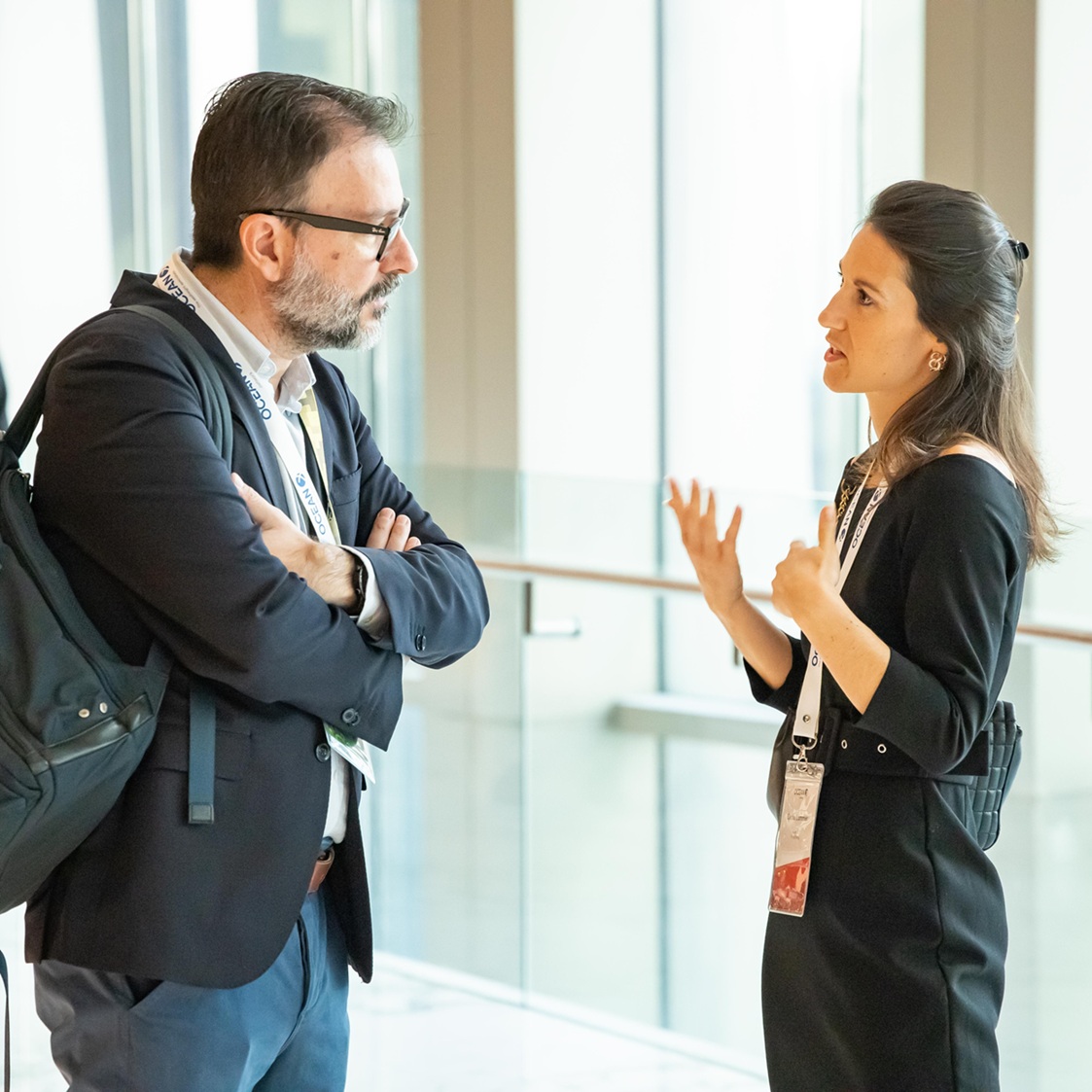
Can your employees raise concerns about risks without fear? And when they do, does your organisation take action?
Across Hong Kong and the Asia-Pacific (APAC) region, businesses face growing operational complexity, regulatory expectations and uncertainty. While organisations invest in risk management frameworks, one important factor is often overlooked: human behaviour.
This is where psychological safety and risk culture must work together. Psychological safety encourages employees to speak up. Risk culture ensures their concerns are taken seriously and translated into responsible decisions. For leaders, the challenge is not choosing between trust and accountability, but building both.
Psychological Safety vs Risk Culture: What’s the Difference?
Psychological safety means employees feel comfortable asking questions, reporting mistakes and challenging decisions without fear of humiliation or unfair consequences.
Risk culture refers to the shared behaviours, attitudes and practices that influence how an organisation identifies, communicates and manages risks.
- Psychological safety creates confidence to speak up.
- Risk culture provides the structure and accountability to respond.
Without psychological safety, important risks and weak signals may remain untold increasing the vulnerability of the organisation.
Why do Hong Kong and APAC Organisations should pay attention to psychological safety and risk culture?
In Hong Kong and across APAC, workplace hierarchy, cross-cultural communication and organisational expectations can influence how employees express concerns. In some workplaces, questioning senior management may feel uncomfortable, even when employees recognise potential operational risks. This creates a gap between what teams observe and what leadership knows.
The issue is particularly relevant in Hong Kong's financial sector. The Hong Kong Monetary Authority (HKMA) has highlighted psychological safety and the importance of encouraging employees to speak up without fear of adverse consequences as part of its bank culture reform work.
However, this challenge extends beyond banking. Organisations in logistics, healthcare, hospitality, technology and other industries also depend on employees communicating risks before they escalate.
For Hong Kong businesses and multinational teams operating across APAC, psychological safety is therefore an important part of effective risk management and organisational resilience.
Five ways leaders can strengthen psychological safety and risk culture
- Encourage speaking up with accountability
Employees should feel comfortable raising concerns while remaining responsible for their decisions and actions. Psychological safety does not mean lowering standards. It means creating an environment where openness, constructive challenge and accountability coexist.
- Lead by example
Leadership behaviour influences whether employees speak up or remain silent. Managers who listen, welcome different perspectives and respond constructively to bad news help establish trust.
- Connect communication with risk processes
Encouraging employees to report concerns is only the first step. Organisations need clear reporting, escalation and follow-up processes to ensure potential risks are assessed and addressed.
- Recognise responsible risk behaviour
Beyond performance targets, leaders should recognise employees who identify emerging risks, question assumptions and demonstrate sound judgment under pressure.
This reinforces a proactive rather than reactive risk culture.
- Assess human factors behind risk
Traditional risk assessments focus on systems, policies and controls. Yet communication barriers, leadership behaviour and team dynamics can also create vulnerabilities.
People Risk Assessments help organisations identify these human factors and strengthen the connection between people, processes and risk management.
Building Organisational Resilience Through People and Process
A resilient organisation does not avoid every risk. It is one that can anticipate challenges, communicate effectively and respond with confidence. This aligns with Presilience®, an approach focused on developing organisational capabilities before disruption occurs.
For Hong Kong and APAC leaders, combining psychological safety with strong risk culture helps create workplaces where employees are encouraged to speak up and remain accountable for responsible action.
Conclusion: Trust and Accountability shouldn't be treated separately
Psychological safety and risk culture are not competing priorities. One encourages openness. The other strengthens responsibility. Together, they support better decision-making, earlier risk identification and stronger organisational resilience.
At Ceicia, we help organisations in Hong Kong and across APAC connect People and Process through leadership development, People Risk Assessment and Risk Culture Training.
Because effective risk management depends not only on procedures, but also on the people who put them into practice.
Explore Ceicia's Business Advisory Services in Hong Kong.
Frequently Asked Questions about Psychological safety vs risk culture
- What is the difference between psychological safety and risk culture?
Psychological safety encourages employees to raise concerns without fear of unfair consequences. Risk culture determines how an organisation identifies, communicates and manages those risks. Both are essential for effective risk management.
- Why is psychological safety important for Hong Kong businesses?
Psychological safety helps employees communicate concerns, challenge assumptions and report potential problems. This is particularly valuable in hierarchical or cross-cultural workplaces where employees may hesitate to question senior management.
- How can APAC leaders improve risk culture?
Leaders can strengthen risk culture by encouraging open communication, clarifying accountability, improving risk reporting processes and recognising responsible risk-taking.
- How can organisations assess psychological safety and risk culture?
Organisations can use employee feedback, leadership assessments, reporting practices and People Risk Assessments to identify communication barriers, behavioural vulnerabilities and opportunities for improvement.
- How does Ceicia support organisations in Hong Kong and APAC?
Ceicia supports businesses through People Risk Assessment, leadership development, risk culture training and organisational resilience consulting, helping organisations strengthen the connection between human behaviour and risk management.