
Risk Consulting
// Leadership risk and Team resilience
ARE YOUR LEADERS READY
FOR CRISIS?
We prepare your teams for the unexpected and
keep your business secure and operational.
You deserve more than survival. You deserve to thrive again.
Your organisation is unique !
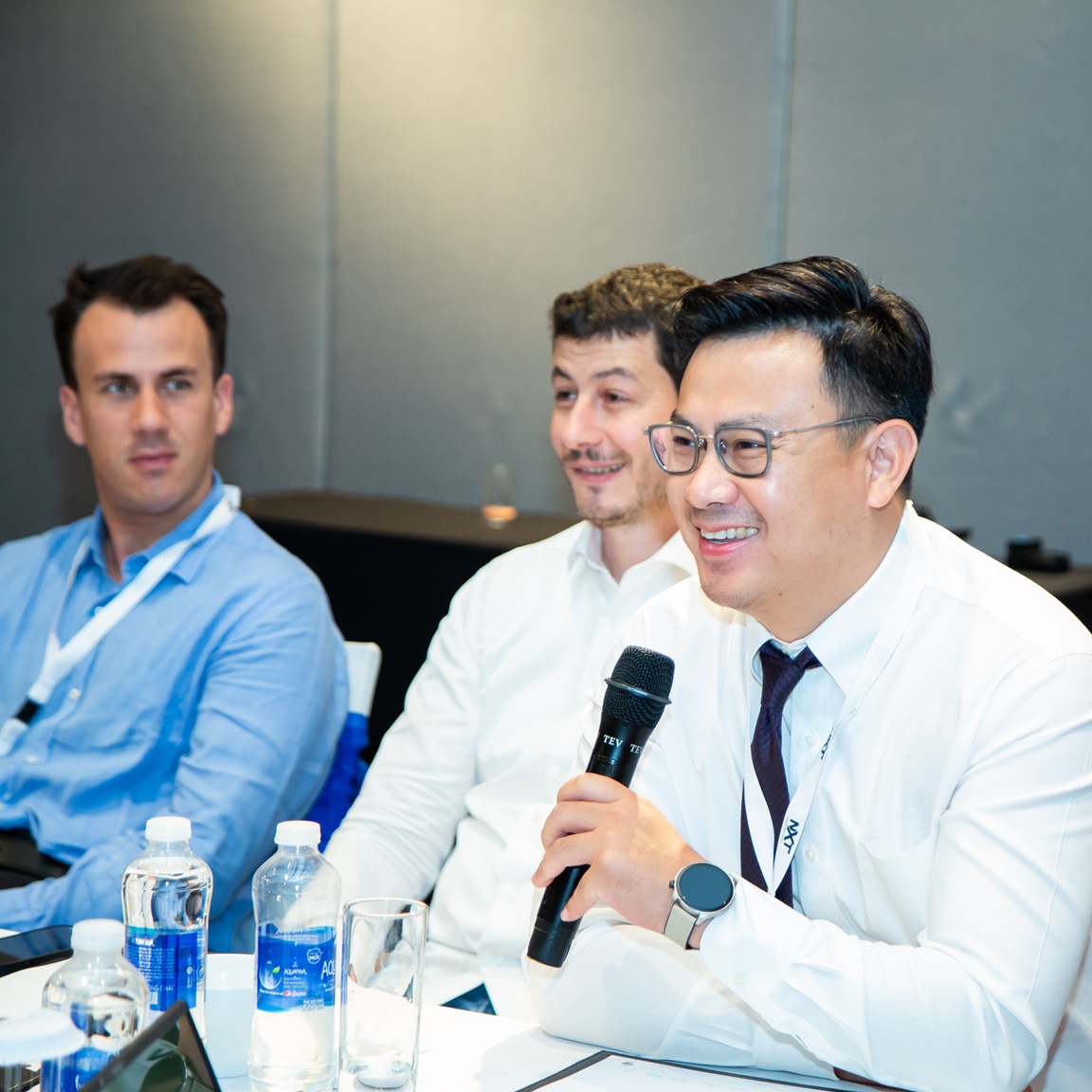
Our bespoke risk consulting framework helps organisations develop, assess, or enhance their crisis management programs.
//Risk Consulting Framework
WE CARE ABOUT YOUR ORGANISATION STABILITY !
It starts with your leadership preparedness and your team's engagement!
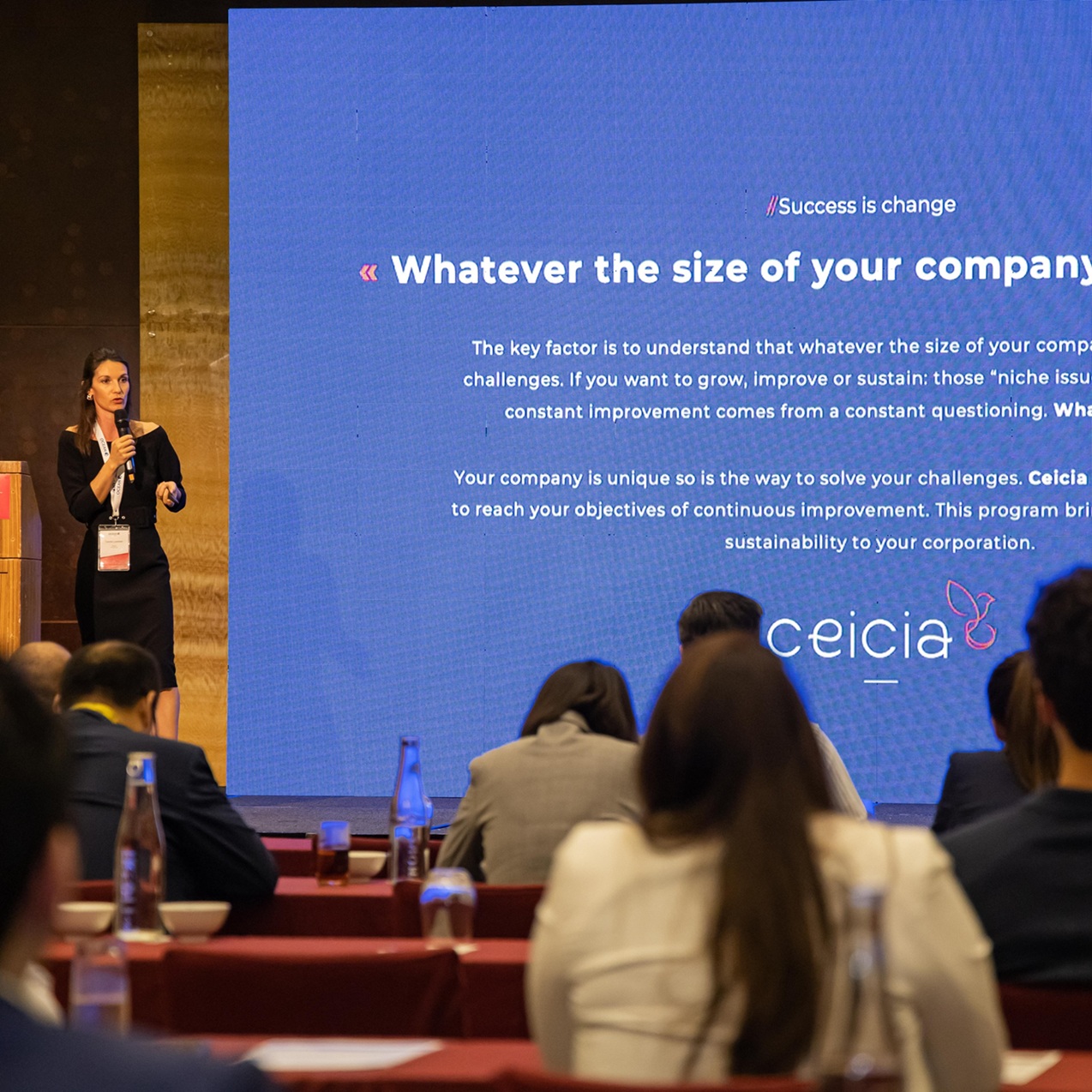
// Crisis consulting and Leadership preparedness
Prepare your organisation for the unexpected:
- Build capability, confidence and adaptability in a VUCAD world
- Enable leaders and teams to respond with confidence
- Foresight and anticipate disruption
- Improve decision-making under pressure
- Transform risk into opportunity
Drive your organisational performance by preparing your leaders and teams to face crisis
Why invest in Risk Management and Leadership Preparedness?
Leadership and culture are the central nervous system of your company.
When the system is weak, your organisation is vulnerable. Investing in Risk management and leadership preparedness is the most critical insurance policy for your organisation's future stability and growth. While traditional risk management focuses on external financial or operational threats, it often overlooks the greatest source of volatility and resilience: Your people.
Enroll to transform your leaders into Active Risk Managers
Risk consulting
- Culture Risk: diagnostics and transformation
- Execution Risk: Leadership capability development
- Talent Risk: People-first leadership
Benefits
- Global expertise
- Local delivery, global quality
- Evidence-based results
Certified Presilience® Practitioners
- Accredited Presilience® Partner
- Organisational Resilience, Risk and High Reliability
- Scenario-based training and simulations
- Culture, capability, and leadership development workshops
// Risk consulting and Leadership development
More about the founder:
I'm Cécile Lammer, the founder of Ceicia. We've worked with organisations across Asia and Europe to help them and their leaders to prepare for the unexpected.
Ceicia is an accredited Presilience® Partner authorised by the Institute of Presilience to deliver approved training and consulting services using the Presilience® methodology.

// Cécile Lammer - Founder
START YOUR TRANSFORMATION
Risk culture
__
Invest in Leaders and Teams
Behaviour and Decision-making shape your company's risk culture
Involve everyone from the CEO to the entry-level staff
- Build resilience, pro-activity and accountability
- Encourage trust and transparency
- Support your team to adapt, anticipate and lead
Wherever you are in your journey, we help you build the right risk culture.

Risk Management
__
Invest in systems
Build systems that protect and prepare
Identify and mitigate risk.
- Focus on continuous improvement by resolving functional failures
- Achieve your organisational goals by easing tensions
- Tackle the new-world challenges by incorporating them into your strategy
Identify your organisation's challenges through a company diagnostic and activate a corrective action plan.
// Build a strong risk management response by involving your leaders
Enhance your employees' well-being and drive business growth. Our programs are designed to resonate with the modern workforce, ensuring that talent not only joins your ranks but thrives, stays and manages crises.
// THEY TRUST CEICIA
Our portfolio of clients is available upon request.

Frequently Asked Questions in Risk Consulting
What is people risk management and why does it matter?
People risk management is the practice of identifying, assessing, and mitigating risks that arise from human behaviour, decisions, and actions within an organisation. It matters because most risks, whether operational, reputational, or strategic, can be traced back to people. How leaders make decisions under pressure, how employees speak up about concerns, and how teams respond to unexpected events all shape an organisation's risk exposure. Effective risk management builds a culture where everyone, from the CEO to entry-level staff, understands their role in protecting the business.
What is the difference between risk management and risk culture?
Risk management refers to the formal structures, processes, and controls an organisation uses to identify and mitigate risk. This includes policies, compliance frameworks, and reporting systems. Risk culture, on the other hand, is the shared values, beliefs, and behaviours that shape how risk is actually handled day-to-day. A strong risk culture means people at all levels feel comfortable speaking up, making sound decisions, and being accountable even when no one is watching. Both are essential, and one without the other leaves an organisation vulnerable.
Why is organisational preparedness important for business resilience?
Organisation preparedness ensures that a business can continue operating or recover quickly when faced with disruption. This includes having clear plans, trained teams and the right systems in place before a crisis hits. Prepared organisations experience less downtime, protect their reputation, and maintain stakeholder trust. More importantly, they give their people confidence and clarity, reducing panic and enabling faster, smarter decisions under pressure.
What role does leadership play in crisis preparedness?
Leadership is the single most important factor in crisis preparedness. During a crisis, teams look to leaders for direction, clarity and calm. Leaders who have been trained to make decisions under pressure, communicate clearly, and adapt quickly can be the cornerstone between a manageable disruption and a major failure. We help organisations develop these capabilities in their leaders before crises.
How do we tailor our approach to different organisations?
No two organisations are the same. We begin by understanding where each client is in their journey, their industry, size, maturity level and challenges faced. Some organisations need help building foundational risk frameworks to anticipate risk. Others have strong systems but want to strengthen their culture and leadership. We meet clients where they are and design approaches that fit their context, rather than applying a one-size-fits-all model.
How does risk consulting prepare organisation for crises?
Risk consulting prepares an organisation for crises by strengthening both systems and people. This includes developing crisis management plans, running simulation exercises, training leaders to make decisions under pressure, and building a culture where teams can adapt quickly. The goal is not just to have a plan on paper, but to ensure that people at every level feel empowered and know what to do when the unexpected happens.
How can organisations build a strong risk culture?
Building a strong risk culture starts with leadership. When leaders model transparency, accountability, and sound decision-making, it sets the tone for everyone else.
Organisations can also:
- Regularly assess and adapt the existing team culture as the organisation evolves
- Invest in training that supports a risk culture mindset at all levels of the organisation
- Involve all the stakeholders, including the board members and front-line staff, in risk conversations
- Enable technology
Keep in mind that risk culture isn't built overnight, but with consistent effort, it becomes part of how an organisation operates.
How do you involve employees at all levels in risk management?
Effective risk management cannot live only in the boardroom or the compliance department. We help organisations engage employees at every level by:
- Conducting training and workshops tailored to different roles
- Creating clear channels for reporting concerns
- Building accountability into job descriptions and performance reviews
- Encouraging leaders to model and communicate risk-aware behaviour
- Making risk part of everyday conversations, not just annual reviews
When everyone understands their role in managing risk, the entire organisation becomes stronger.
Can risk consulting help with both compliance and culture?
Yes, while compliance focuses on meeting external requirements and avoiding penalties, culture focuses on how people respond to crises. A resilient organisation needs both. We go even further with the Presilience® model. We do not decide for you, but we help to prepare your team, engage in critical thinking and nurture a culture where people understand and embrace their role in managing the risk at their level. The two work together, compliance provides the structure, and culture provides the commitment.
How can organisations measure the effectiveness of their risk culture?
Measuring risk culture is more qualitative than quantitative, but there are meaningful ways to assess it.
These include:
- Employee surveys
- Observation of how decisions are made
- Tracking how often concerns are raised and addressed
- Reviewing the leadership behaviours
- Assessing how teams respond during simulations or real incidents
Regular conversations and honest feedback are often the most revealing tools.